
Walk the Secret Edges of Cornwall at Low Tide

Welcome! Today we focus on planning safe low-tide walks between Cornwall’s hidden coves, turning tricky tide tables and rocky passages into confidence, calm, and curiosity. You’ll learn how to choose windows, read swell and weather, map discreet exits, pack the right kit, and tread lightly among seals and seabirds. Expect practical checklists, lived stories, and an inspiring sample itinerary. Share your experiences, ask questions, and subscribe for future route ideas that keep adventure joyful, respectful, and reliably safe.

Understanding Tide Timings Without Guesswork

Before feet touch sand, timing decides everything. Learn to translate tide tables into real walking windows, balancing distance, terrain, and daylight with an honest turnaround time. We’ll demystify springs versus neaps, local anomalies around headlands, and the sneaky minutes lost to photo stops and rockpool wonder. With clear margins and bail-out points, you can wander confidently between secluded beaches without flirting with cut-offs, even when Atlantic swell whispers new surprises along Cornwall’s dramatic, sheltering coves.

Designing Routes Between Secret Beaches

Stitch coves together like pearls on a string, beginning with known access points and working outward to discreet passages that only appear on the lowest sands. Use contour lines and aerial imagery to identify steep exits, ladders, or fisherman paths, and always log at least two high-ground escapes. Measure distance honestly, then halve your usual coastal path speed for boulders and kelp. The goal is not haste but presence, with safe slack water framing every lingering gaze.

01

Start, Turnaround, and Bail-Out Points

Anchor your plan with a fixed start near parking or bus stops, a realistic turnaround time written on paper, and multiple bail-outs marked on OS mapping. Treat steep goat tracks with caution; wet grass and wind can turn optimism into risk within seconds.

02

Estimating Pace on Seaweed and Sand

Expect your speed to drop dramatically on slippery weed, barnacled slabs, and shingle that rolls underfoot. Test the next few meters before committing, shorten steps, and use three-point contact on scrambles. When sand softens, angle toward firmer ripples near the receding waterline.

03

Waymarking Without Cairns

Photograph key junctions, note distinctive boulders shaped like animals, and sketch simple arrows on waterproof paper to reduce backtracking. Avoid building cairns or scratching rock; leave the shoreline wild. A tiny memory aid today prevents tired mistakes as the tide turns tomorrow.

Reading Weather, Swell, and Sea State

Even with perfect tides, Atlantic energy can transform an inviting corridor into a white-water trap. Learn to read wind strength, swell height, period, and direction together, considering how reefs and promontories bend and refract waves into gullies. Fog, drizzle, or harsh sun also shape decision-making, influencing visibility, temperature, and fatigue. Align your departure with falling wind or sheltered aspects, listen for booming caves, and set a firm rule: if conditions feel louder or faster than planned, step back.

Footwear, Safety Kit, and Communication

Small items make big differences among barnacles and tide-polished ledges. Choose grippy shoes that drain quickly, layer for windchill, and stash dry warmth in a lightweight pack liner. Add whistle, small first-aid kit, zinc for scrapes, duct tape, and a compact bivvy bag. Carry a fully charged phone in a waterproof case plus a simple backup like a printed tide note. Share your plan with someone ashore, including return time and route, then check-in on completion.

Shoes, Gloves, and Layers

Trail shoes with sticky soles beat heavy boots on wet rock; neoprene socks add warmth without bulk. Fingerless gloves protect skin while preserving grip. Pack a windproof shell and warm hat, because coastal breezes steal heat faster than pace replaces it.

Emergency Signals and Rescue Basics

If trouble builds, call 999 and ask for the Coastguard, giving a precise description of bay, headland, and access path. Six whistle blasts, repeated, signal distress. Keep a bright buff or foil blanket handy for visibility, and stay higher than the spray line.
Respecting Wildlife, Cliffs, and Communities
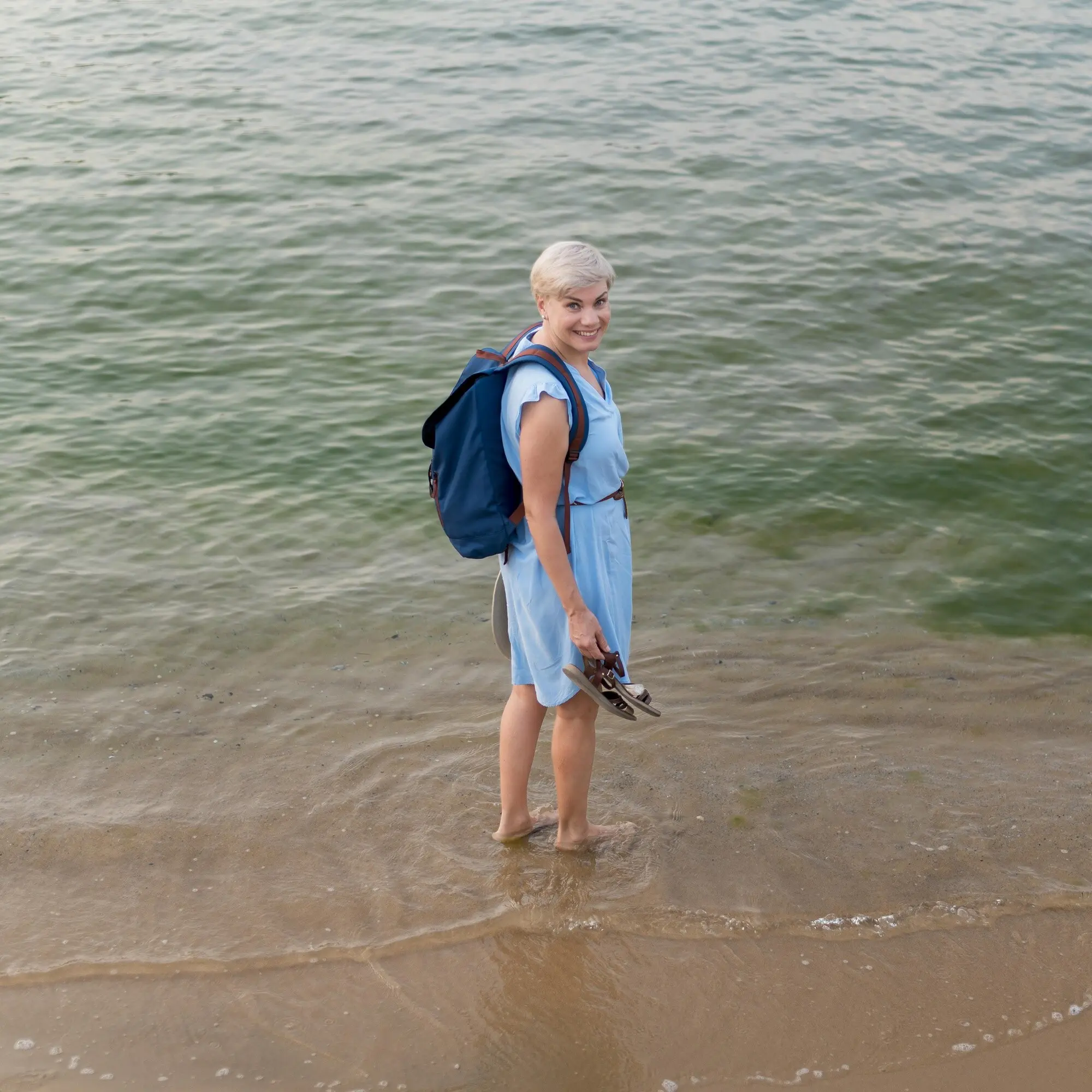
The magic of these passages lives in quiet moments with anemones, sea lavender, and seals drowsing in sunlit swell. Give animals space, keep dogs close, and step softly around nesting cliffs. Avoid pushing pebbles into pools or prying limpets from rocks. Pack out every wrapper and micro-trash fiber. Smile at residents, support local cafés, and park considerately. When we move gently and gratefully, the coast welcomes us back, and hidden coves remain hidden enough for the next curious wanderer.

Seal Pups and Quiet Approaches

Autumn and early winter often bring pups onto small beaches. Viewed from distance, they appear calm; approached clumsily, they panic and risk injury. Sit low, stay silent, keep dogs leashed, and choose a different cove if adults show restless, watchful behavior.

Bird Nests and Seasonal Exclusions

Some cliffs host ravens, fulmars, or rare choughs that defend ledges fiercely. Respect seasonal signage and ranger advice, detouring via higher paths when needed. A few extra minutes preserve fragile generations and save you from sudden, startling swoops above exposed traverses.

Timing and Landmarks

Leave the car park with handwritten tide notes. From the lower cafes, descend the main beach, then hug firm sand toward Asparagus Island. Note the spires ahead and the white surf line that marks a narrowing. If water nips your ankles unexpectedly, pause and reassess.

Hazards and Bail-Outs

Serpentine ledges shine and tempt rash steps; test each foothold and avoid green slime. If swell echoes loudly in caves, consider the higher coast path above Soapy Cove. In fading light, stop early. A sure ride home beats heroic sprinting under cliffs.

Share Your Notes and Improve the Plan

Afterwards, jot what worked, what surprised you, and where you hesitated. Share insights in the comments so others refine their own preparation. Subscribe for future itineraries, and tell us which coves you adore. Collective wisdom turns cautious exploration into lasting, generous community confidence.

An Illustrated Itinerary: Kynance to Pentreath at a Big Neap

Use this example to rehearse planning, not as a promise. From Kynance Cove toward Pentreath, check Lizard tide tables and aim to step off ninety minutes before low on a neap. Expect boulder steps, slick weed, and sculpted serpentine ledges. Identify bail-outs near Pentreath beach and higher paths by Soapy Cove. Turn back early if sets feel pushy. Bring a headtorch, print timings, and tell a friend your latest safe return. Practice patience; beauty waits.
Savipexilentozorizavokaronovi
Privacy Overview

This website uses cookies so that we can provide you with the best user experience possible. Cookie information is stored in your browser and performs functions such as recognising you when you return to our website and helping our team to understand which sections of the website you find most interesting and useful.