When the Sea Retreats: Cornwall’s Hidden Stone Chronicles

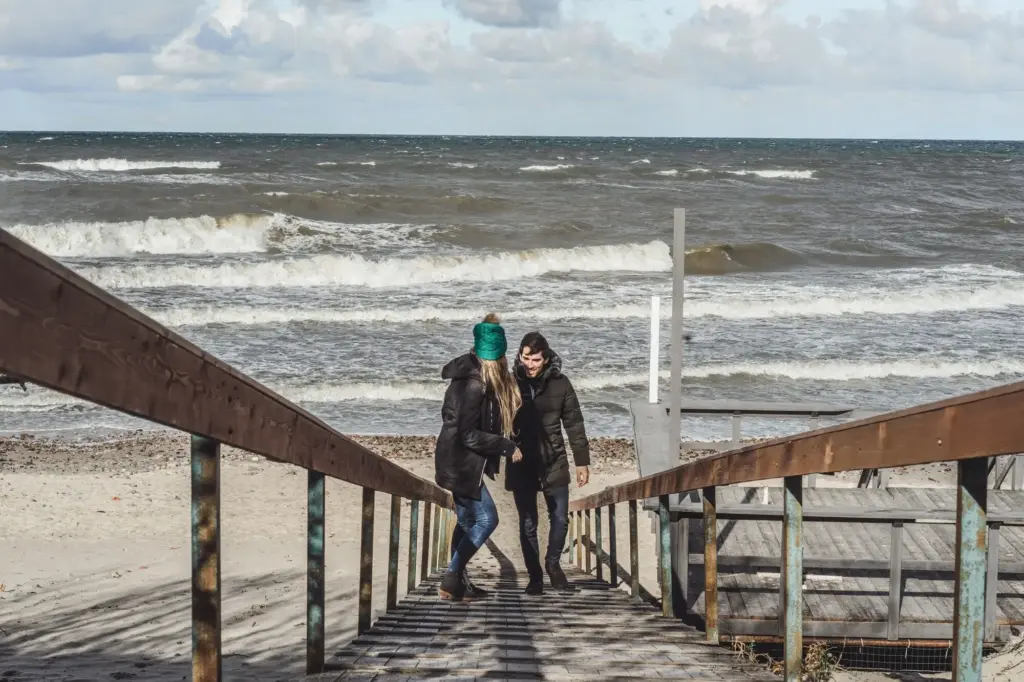
As the Atlantic draws back its shimmering hem, secret landscapes rise from the intertidal hush. Today we journey along the Cornish coast to witness geological wonders revealed at low tide—serpentine pavements, folded sandstones, glittering quartz seams—reading deep time while the gulls wheel overhead and the rock pools mirror the sky.

When Water Withdraws: Reading Rocks Between the Tides

Twice each day Cornwall becomes an open-air classroom, as wave-cut platforms stretch outward and cliffs expose bands of story-rich stone. Low tide grants footsteps across slick pavements where ripples, joints, and fossils align like scattered clues, inviting careful observation, curiosity, and patience beneath changing light.

From Ocean Crust to Granite Domes: Cornwall’s Deep Story at Your Feet

Fragments of ancient ocean floor and deep intrusions meet here, telling of vanished basins, collisions, and uplift. At low tide you can compare silky green serpentinite with coarse gabbro, then pivot to glittering granites and pale elvan dykes, tracing Cornwall’s tectonic saga without leaving the intertidal stage.

Lizard Serpentine at Kynance

When the water slips back at Kynance Cove, polished green and red serpentinite pavements emerge like lacquered mosaic. Look for slick, scaly textures from altered mantle rocks, dark dykes intruding like frozen lightning, and boulders rounded by surf that reveal concentric weathering rings under your fingertips.

Granite and Elvan at St Michael’s Mount

Across the shining causeway, coarse crystals of feldspar, quartz, and mica sparkle within the Cornubian granite, while pale elvan veins crosscut like ribbons. Low tide invites close inspection of chilled margins, quartz druses, and pegmatitic patches that whisper of slow cooling, mineral-rich fluids, and buoyant magma.

Millook’s Tumbling Folds

Near Bude at Millook Haven, alternating sandstones and shales contort into spectacular chevrons, a concertina of pressures locked into stone. Arrive on a safe, low tide to trace beds with your finger, feeling sharp hinges, slick surfaces, and the muscular memory of ancient compressional forces.

Patterns Etched in Stone: Textures the Tide Exposes

Ripples and Cross-beds

Stand beside a draining pool and you’ll see tiny ridge lines marching shoreward; measure their spacing and sharpness to infer energy. Tilted laminae in sandstone signal migrating bars, allowing you to point the way currents once traveled, turning a quiet cove into a living, directional compass.

Veins, Joints, and Mirrors

Quartz veins gleam like frost within fractures that once opened under stress, while joint sets intersect at tidy angles, guiding how cliffs crumble. Polished fault surfaces, called slickensides, can flash in sunlit pools, their striations indicating motion directions, like fingerprints pressed by Earth’s restless, shifting hands.

Pillows, Cushions, and Cooling Cracks

In certain coves, bulbous basaltic pillows rest side by side, outlines curving like dough dropped into cold water, each rim a chilled skin. Between them, radial fractures and glassy selvages testify to submarine eruptions, inviting you to imagine lava hissing beneath an ancient ocean’s pressure-loaded ceiling.

A Palette of Earthly Metals and Minerals

Color guides the eye toward chemistry and history. Emerald serpentinite, iron’s russet bloom, copper’s azure blush, and smoky quartz threads trace journeys of heat, fluids, and time. Low tide exposes mineral halos near old workings and natural seams alike, teaching cautious hands the art of visual identification.

Greens of Serpentine and Gabbro Shadows

Serpentinite often shows waxy green, ribboned with red or cream, while nearby gabbro displays coarse, salt-and-pepper crystals. Notice magnetite specks darkening cracks, and how seawater polishes surfaces to a soft sheen, making subtle hues pop the moment clouds slide and sunlight rakes across damp textures.

Copper Blues and Iron Reds by Old Workings

Around historic lodes above Chapel Porth and St Agnes, rainwater percolates through spoil, painting rocks with malachite greens, azurite blues, and hematite reds that wash onto beaches. Observe, photograph, but avoid collecting or disturbing; mineral films are delicate, and access may cross protected, heritage-rich ground.

Quartz Threads and Tin Memories

Milky quartz veins crisscross granite and slate, sometimes carrying cassiterite, the heavy, unshowy ore that fueled centuries of Cornish enterprise. At low tide, fractured veinlets glint within pools; trace their orientations and imagine miners mapping underground continuations with candlelight, courage, and the stubborn geometry of hope.

Beneath an Arch with the Clock Ticking
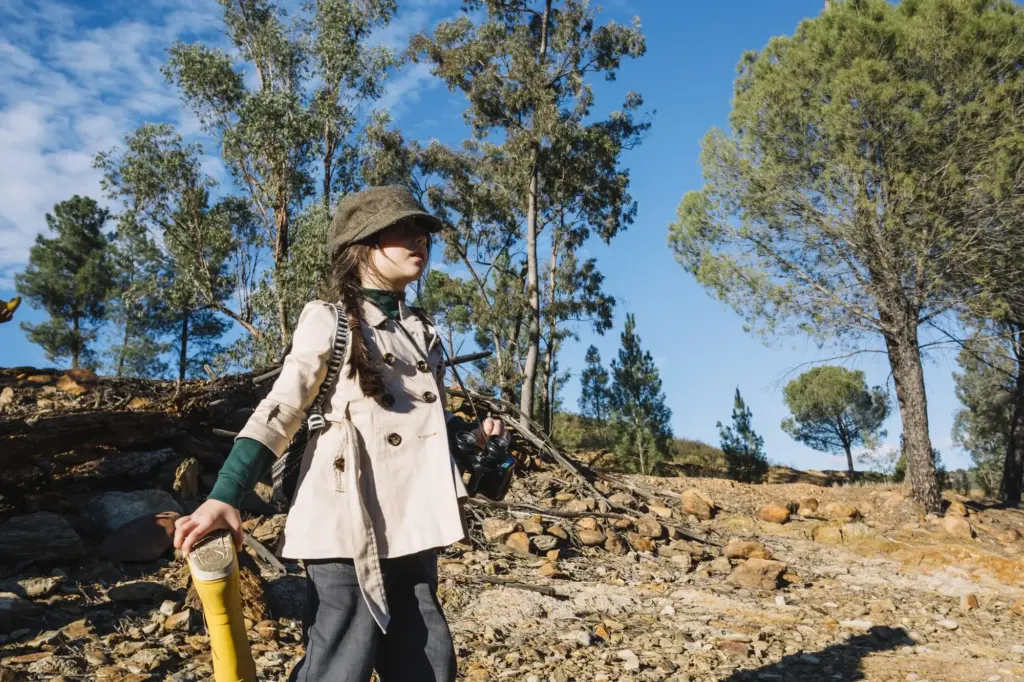
Low tide gifts a temporary corridor beneath spans that soar like cathedrals; always watch the time, swell, and exits. Examine contact zones where different rocks meet, noting spalling blocks and scalloped surfaces that betray salt weathering nibbling at mortar-soft layers between stronger, load-bearing ribs.

Zawns Breathing Swell

These blade-thin inlets funnel ocean energy into booming breaths, their walls often mirroring straight joint sets. Pause to feel pressure waves push air through fissures, then map the orientations you see, linking structural lines to the pathways waves exploit while re-carving entrances during storm seasons.

Footsteps on Ancient Stone: People, Safety, and Care

{{SECTION_SUBTITLE}}
Stories in the Spray
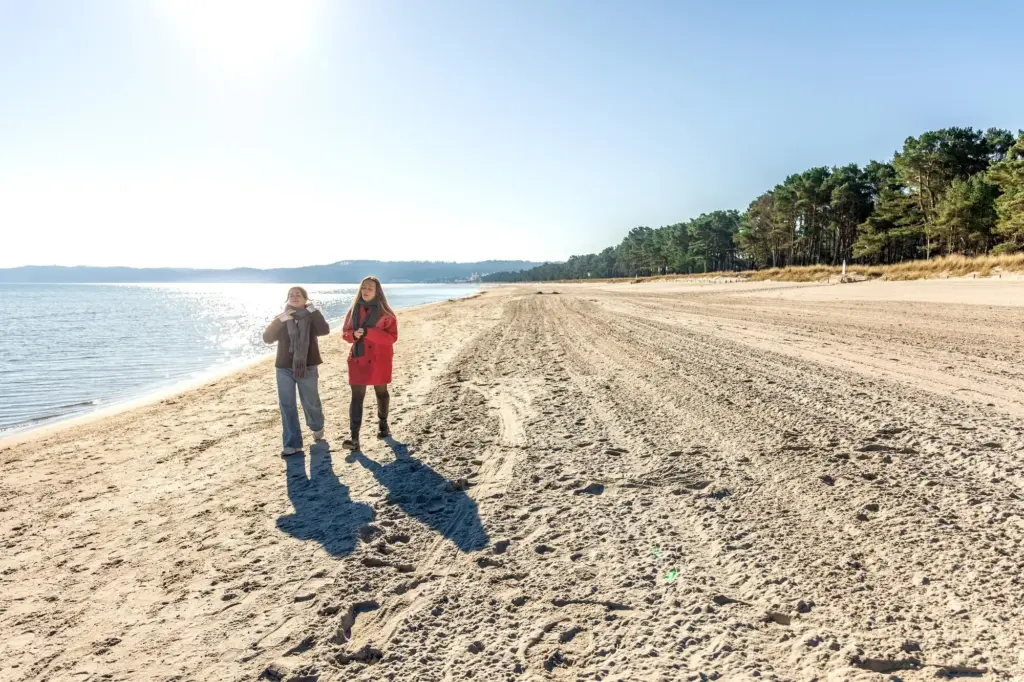
Listen for echoes of tin streaming along valley floors, tales of lantern-lit shafts, and shipwreck rescues beneath pitch-black squalls. Low tide makes the shoreline a theatre for memories; weave your own by recording a sketch, comparing maps, and asking elders who still read rocks like neighbors.

Care for Fragile Edges

A finger can dislodge decades of lichen growth, and a prised pebble may collapse a pool’s tiny community. Photograph instead of pocketing, replace lifted stones as found, and keep dogs from cliff-top burrows. Respect signage, seasonal restrictions, and the quiet labor of rangers guarding sensitive coves.
Savipexilentozorizavokaronovi
Privacy Overview

This website uses cookies so that we can provide you with the best user experience possible. Cookie information is stored in your browser and performs functions such as recognising you when you return to our website and helping our team to understand which sections of the website you find most interesting and useful.